3 min read
9 Critical Things No One Tells You When Buying a Mesh Office Chair
Buying a mesh office chair? Learn the 9 details that matter most, from mesh tension and lumbar support to mechanism, gas lift class and casters.
I have worked hands-on in this business in Turkey for many years. I welded frames in workshops, carried chairs in warehouses, and installed hundreds of units in office towers. I did not learn this job from catalogs. I learned it on site.
Let me say this first:
A mesh office chair can look great in photos. But the chair that protects your lower back is not always the one that looks the best.
I am not writing this in brochure language. I am sharing what I see in real life. Not to sell you something, but to help you choose right.
Why are mesh chairs so popular?
Main reasons:
- They allow airflow
- They feel lightweight
- They look modern
- They come in many price ranges
But the real story starts after three months of use.
1. Mesh tension (the most ignored detail)
In stores, people check the mesh. They look at the color. They touch it.
But almost nobody asks this:
Will this mesh sag after three months?
What I see in daily work:
- Loose weave → lumbar area collapses in 2–3 months
- Thin yarn → stretches fast
- Low-grade mesh → no back support
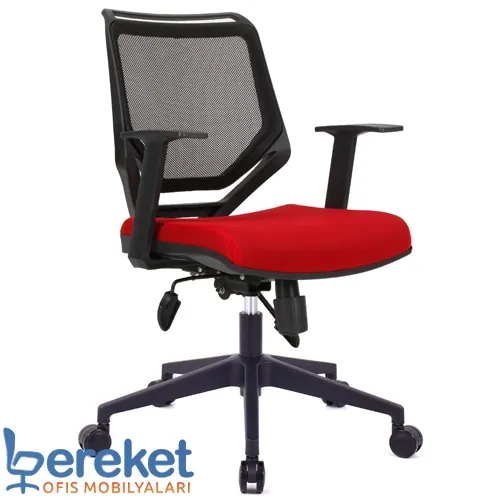
The backrest should feel firm. Press it with your hand. It should push back.
If it does not, walk away.
2. Fixed lumbar support does not fit most people
I will be direct:
Most mesh chairs with fixed lumbar support cause back pain over time.
People have different heights. Different sitting positions. Different desk levels.
If the lumbar support is not adjustable, I do not recommend it.
3. A light mechanism always becomes a problem
The heart of a chair is the mechanism.
It is also the part that fails the most.
A light-duty mechanism means:
- Play when you recline
- Noises after 6–12 months
- Locking function stops working
- Loss of balance
No metal housing, no deal. Even if the chair is cheap, it will cost you later.
4. Class 2 gas lift is risky
Most sellers never mention this.
- Class 2 → home use
- Class 3 → office standard
- Class 4 → heavy-duty use
For offices, Class 3 is the minimum.
Otherwise:
- The chair sinks by itself
- Height adjustment fails
- Safety issues appear
5. Casters can destroy your floor
I see this often.
Especially on:
- Laminate floors
- PVC flooring
- Glossy tiles
Low-quality casters:
- Leave marks
- Scratch surfaces
- Create noise
PU-coated silent casters are essential. Hard plastic wheels mean trouble.
6. Armrests are not just for resting your arms
Fixed armrests are cheap. Yes.
But they are not ergonomic.
In the long run they cause:
- Shoulder drop
- Wrist pain
- Poor alignment with desk height
3D armrests (up–down, forward–backward, inward–outward) are always healthier.
7. Foam quality matters, even in visitor chairs
People say, “It’s only for short sitting.”
That is wrong.
Low-density foam:
- Hardens in six months
- Loses shape
- Makes the chair look cheap
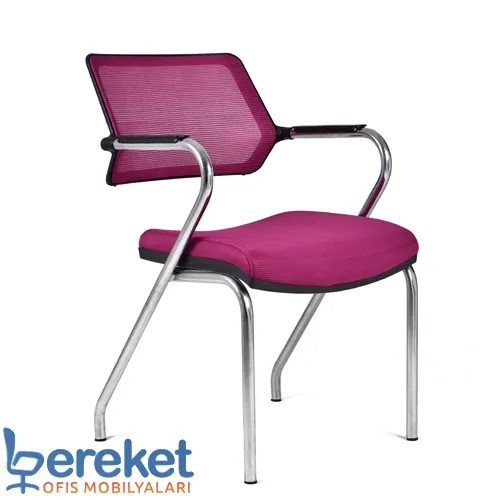
Even when buying a mesh waiting chair, sit down, stand up, sit again. If it feels hard, skip it.
8. “Imported” labels are often misleading
I see this a lot.
Local products are sold as:
“Imported model.”
True imported chairs:
- Have certificates
- Have a model code
- Have a clear country of origin
No documents, no trust.
9. Calculate lifespan, not just price
Cheap chairs:
- Collapse in two years
Mid-range chairs:
- Last six to eight years
Simple math:
Cheap = buy twice
Quality = buy once
The cheaper option often costs more in the long run.
Who should be extra careful?
- Call centers
- Accounting offices
- Software teams
- Architecture studios
- Anyone who works at a desk all day
In these jobs, the chair affects performance directly. If your back hurts, you cannot work well. It is that simple.
Final thoughts
I see the same thing every year:
A well-chosen mesh office chair:
- Stays quiet
- Does not wobble
- Does not cause back pain
- Does not drain the user
A bad one:
- Creates constant problems
- Ends up in warranty service
- Disrupts the office
Do not judge only by looks.
Do not judge only by price.
Sit on it. Recline. Lock the mechanism. Press the mesh. Roll the wheels.
I have seen many people regret skipping these steps.
Many times.